

Noel (November 2007)
Hurricane Noel left a lasting mark on Atlantic Canada, both in terms of physical damage and the lessons learned in emergency preparedness.
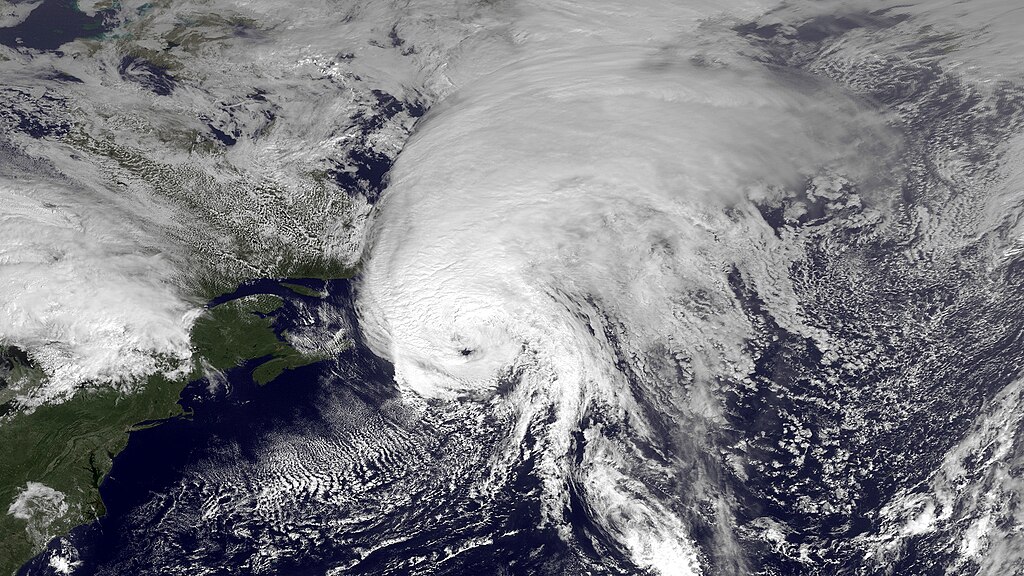
Introduction
Hurricane Igor was the most destructive tropical cyclone in Newfoundland and Labrador’s history. The storm made landfall in September 2010, bringing catastrophic flooding, widespread power outages, and extensive damage to infrastructure. Igor remains one of the most significant weather events to hit Atlantic Canada in the 21st century.
Meteorological History
Igor developed from a tropical wave off the coast of Africa and rapidly intensified into a major hurricane as it crossed the Atlantic. After causing damage in Bermuda, Igor approached Newfoundland and Labrador as a Category 1 hurricane, bringing with it powerful winds and torrential rains.
Impact on Atlantic Canada
Newfoundland and Labrador were severely impacted by Igor, with the Burin Peninsula experiencing the worst of the storm. Floodwaters washed out roads and bridges, isolating communities and leading to one fatality. The province faced widespread power outages, and many homes and businesses were damaged or destroyed. The economic impact was significant, with recovery costs estimated in the hundreds of millions of dollars.
Response and Aftermath
The response to Hurricane Igor was one of the largest in Newfoundland and Labrador’s history. The military was deployed to assist with recovery efforts, and extensive rebuilding took place over the following months. The storm led to a reassessment of the province’s emergency preparedness and infrastructure resilience.
Conclusion
Hurricane Igor’s impact on Newfoundland and Labrador was profound, both in terms of physical damage and the lessons learned. The storm served as a wake-up call for the region, leading to significant changes in how the province prepares for and responds to major weather events.
