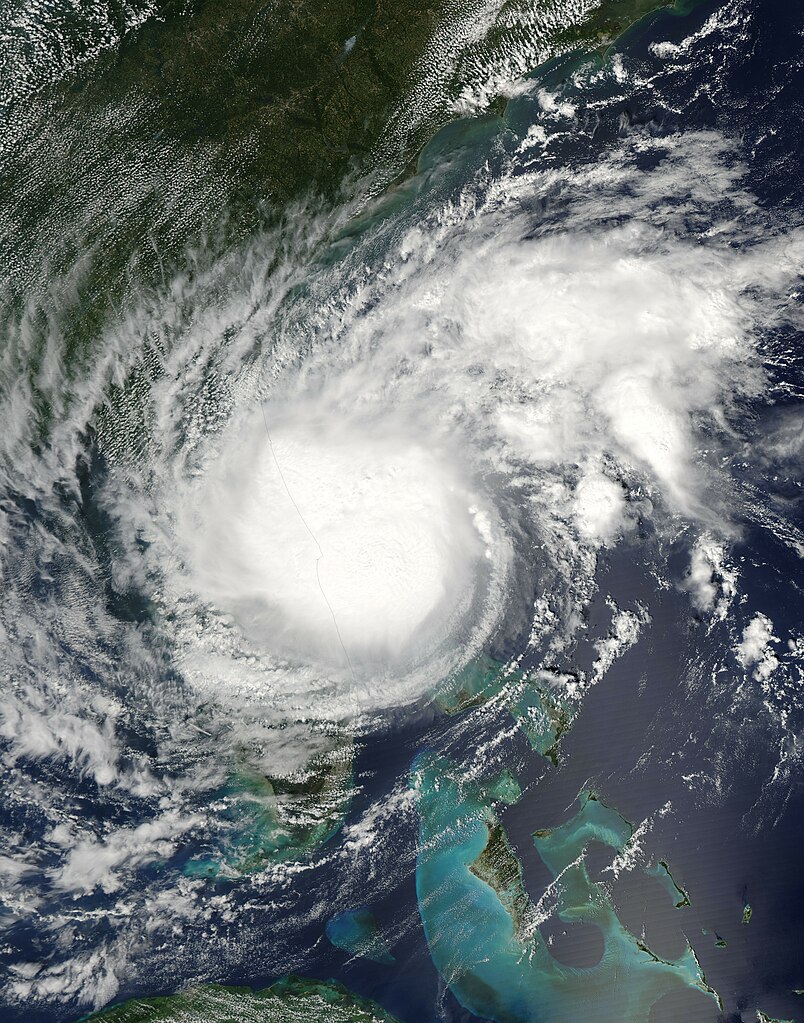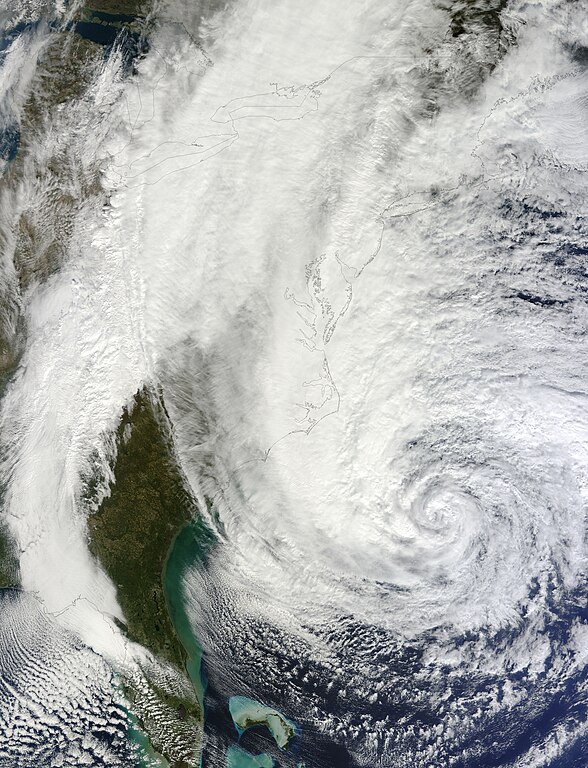
Sandy (October 2012)
The response to Sandy in Atlantic Canada was swift, with emergency services addressing power outages and minor flooding.

Introduction
Hurricane Noel was one of the deadliest hurricanes of the 2007 Atlantic hurricane season and made its presence known in Atlantic Canada in early November. The storm transitioned into a powerful extratropical cyclone as it approached the region, delivering severe weather conditions across multiple provinces.
Meteorological History
Noel originated as a tropical depression in the Caribbean and rapidly intensified into a hurricane. After causing widespread devastation in the Caribbean, Noel moved northward, transitioning into an extratropical cyclone. It maintained hurricane-force winds as it reached Atlantic Canada, impacting Nova Scotia, New Brunswick, Prince Edward Island, and Newfoundland and Labrador.
Impact on Atlantic Canada
Hurricane Noel brought hurricane-force winds, heavy rainfall, and coastal flooding to Atlantic Canada. Nova Scotia bore the brunt of the storm, with widespread power outages and significant coastal damage. New Brunswick experienced heavy rainfall leading to localized flooding, while Prince Edward Island faced severe wind damage. Newfoundland and Labrador saw rough seas and coastal flooding, particularly in the Avalon Peninsula.
Response and Aftermath
The response to Noel was robust, with extensive preparation by emergency services across the impacted provinces. Despite the significant damage, the recovery was efficient, aided by the prompt response of local authorities. The storm highlighted the need for ongoing vigilance and infrastructure improvements to withstand future storms.
Conclusion
Hurricane Noel left a lasting mark on Atlantic Canada, both in terms of physical damage and the lessons learned in emergency preparedness. The storm underscored the importance of timely communication and coordination across provinces to mitigate the impacts of such powerful weather events.