Fiona (September 2022)
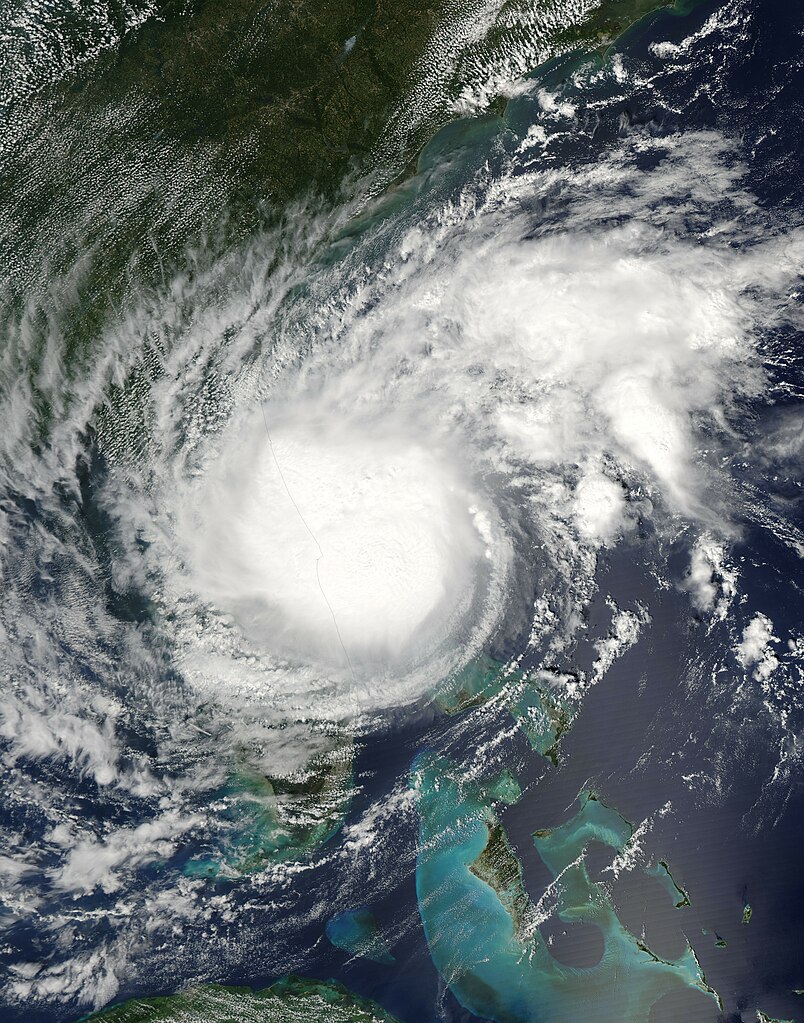
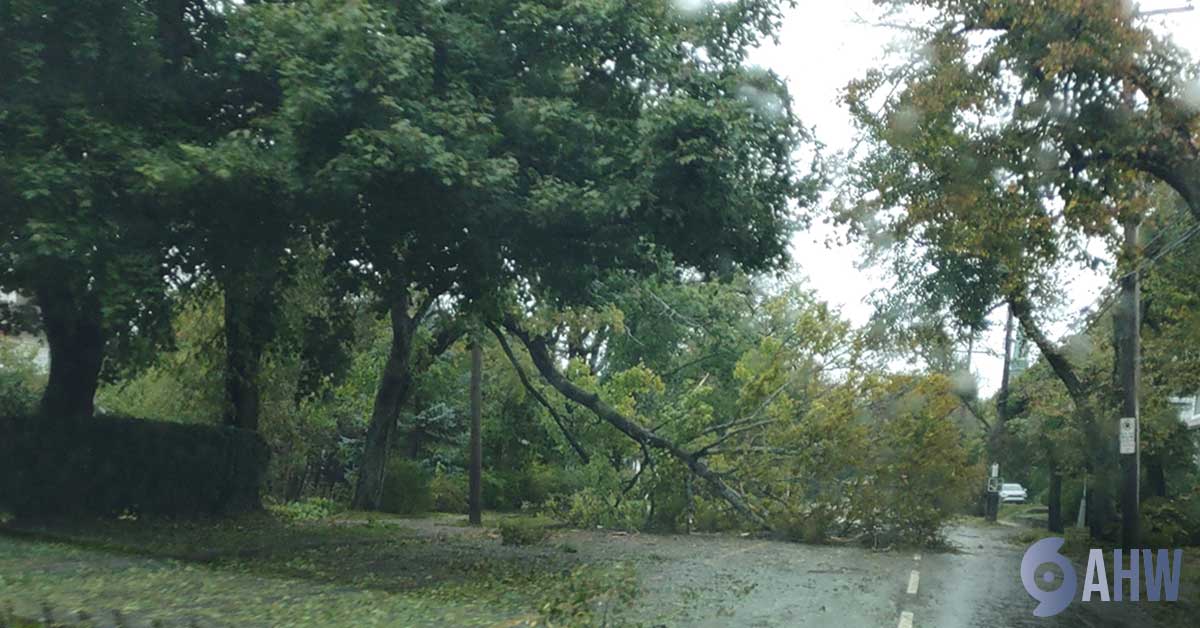
The U.S. National Hurricane Center began monitoring a tropical depression on September 12 that eventually became Tropical Storm Fiona on September 15, 2022. The storm increased in intensity as it…
Introduction
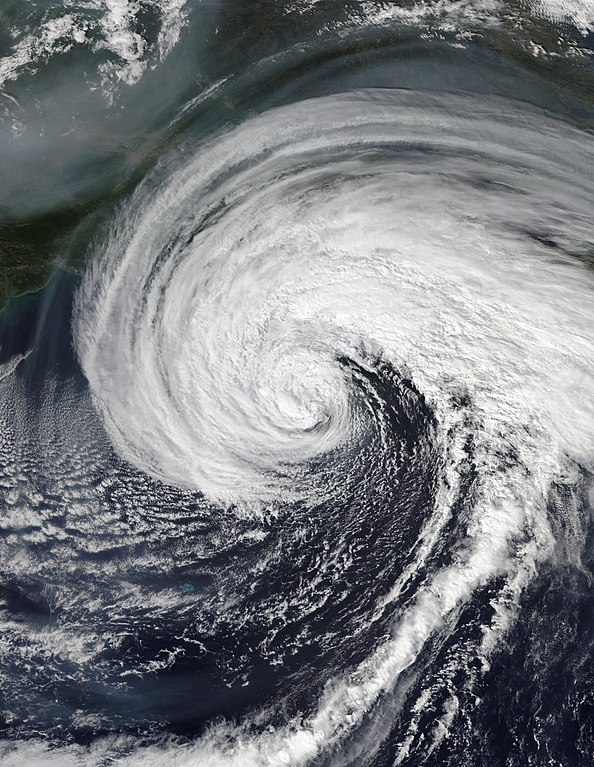
Hurricane Teddy was a large and powerful storm that impacted Atlantic Canada in late September 2020. As it transitioned into a post-tropical cyclone, Teddy brought heavy rainfall, strong winds, and rough seas to the region, particularly affecting Nova Scotia.
Meteorological History
Teddy formed as a tropical storm in the central Atlantic and quickly intensified into a Category 4 hurricane. The storm took a northward path, eventually transitioning into a post-tropical cyclone as it approached Atlantic Canada. Despite weakening, Teddy maintained strong winds and heavy rainfall as it impacted the region.
Impact on Atlantic Canada
Nova Scotia was most affected by Hurricane Teddy, with heavy rain and strong winds leading to power outages and coastal flooding. The storm caused significant wave action along the coast, leading to erosion and damage to coastal infrastructure. While New Brunswick and Newfoundland and Labrador were also impacted, the effects were less severe compared to Nova Scotia.
Response and Aftermath
The response to Teddy involved extensive preparation, with emergency services on high alert. The aftermath of the storm saw significant cleanup efforts, particularly in coastal areas affected by erosion. Teddy highlighted the increasing frequency of large storms impacting Atlantic Canada and the need for ongoing preparedness.
Conclusion
Hurricane Teddy’s impact on Atlantic Canada was a reminder of the region’s vulnerability to large and powerful storms. The storm underscored the importance of continued investment in coastal resilience and emergency preparedness to mitigate the effects of future storms.